

Posture Form
- Bulk Pricing:
- Buy in bulk and save
- Buy 4 or above and pay only $20.00 each
- Package of:
- 50
Bulk discount rates
Below are the available bulk discount rates for each individual item when you purchase a certain amount

 Help Patients See What You See
Your patients care about their appearance. But are they aware of how much their posture tells others?
You recognize postural distortions that most patients overlook.
Make your findings visible, personal, and meaningful.
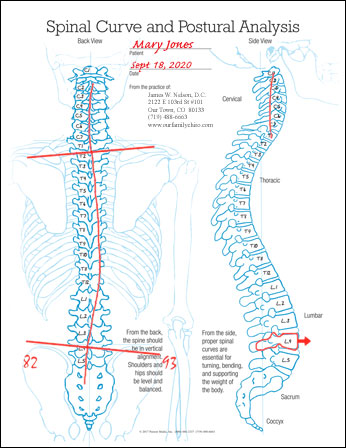
The Posture Examination Form turns your examination findings into an easy-to-understand visual explanation of your patient's spinal structure.
With simple red annotations, show patients what you've discovered and help them understand the structural concerns behind your recommendations.
On the posterior illustration highlight:
• Lateral head tilt
• Range-of-motion limitations
• Scoliosis
• Uneven shoulders
• Unbalanced hips
• Bi-lateral scale results
On the lateral illustration highlight:
• Forward head carriage
• Loss of curve
• Spondylolisthesis
• Other postural distortions
And the benefits don’t end with your report of findings:
• Send it home. Help patients review your findings, recount your explanations, and share what they’ve learned with their spouse or family.
• Progress Examinations. Compare findings over time so patients can appreciate postural improvements they might otherwise overlook.
• Screenings handout. Make your observations tangible and introduce practical reasons to seek chiropractic care.
Make your findings visible. Your explanations memorable. And your recommendations easier to understand.
Posture Report of Findings Form 
Pkg of 50
Indicate Left- or Right-Facing (shown) to match your X-ray technique
8½" X 11"

 International Orders
Spinal Curve and Posture Analysis
Posterior illustration caption:
From the back, the spine should be in vertical alignment. Shoulders and hips should be level and balanced.
Lateral illustration caption:
From the side, proper spinal curves are essential for turning, bending, and support the weight of the body.


Back Pain Brochure
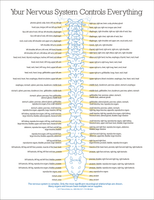
Nervous System Form


Examination Findings Form
